Published March 19, 2026
Tiny blogs sell more luxury items because their self-selected niche audiences rely on deep, keyword-targeted written reviews to research high-ticket purchases, replacing algorithm-driven passive scrolling with intentional buying behavior.
A brand often allocates significant budget to a lifestyle influencer reaching 500,000 people, only to see impressive dashboard impressions yield negligible measurable sales. Follower count measures reach rather than resonance, making it an unreliable metric for converting premium buyers.
Running a Niche Blogger Strategy at Scale
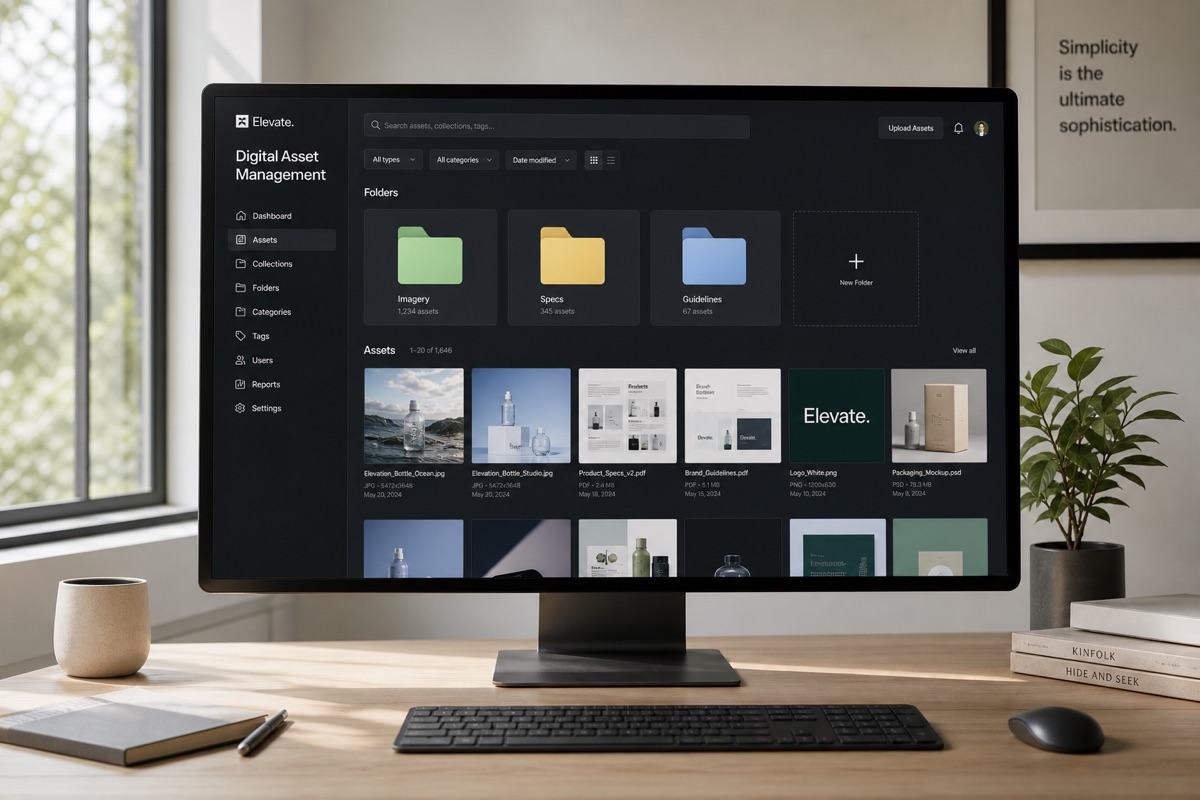
Securing simultaneous coverage across ten topically aligned blogs frequently creates a media bottleneck. Each individual writer requires high-resolution imagery at multiple aspect ratios alongside finalized pricing specs. Brands attempting to distribute these assets via fragmented email threads routinely experience delayed publication, forcing frustrated writers to pivot toward easier partnerships.
Luxury presentation standards allow zero margin for blurry imagery or misspelled names. When coordinating outreach across multiple blogs simultaneously, a dedicated press hub removes the friction that causes product coverage to stall.
Media contacts can access finalized imagery and release documents without waiting on a response, as purpose-built platforms handle these incoming requests in a structured queue.
Journalists discovering a luxury item through a niche blog review frequently search for an official hub to pull raw materials for larger syndication. Maintaining centralized infrastructure intercepts these secondary media professionals directly. This setup bypasses the need for an initial pitch while keeping distribution entirely within the brand's control.
Why Niche Communities Buy Luxury

A beauty blog with 15,000 subscribers attracts an audience actively searching for specific aesthetic values. This deliberate self-selection replaces the random exposure of an algorithmically assembled social feed. The focused readership serves as a powerful trust signal for consumers researching a $400 serum or a $1,200 leather bag.
Premium buyers require validation rather than impulse triggers. A massive lifestyle influencer reaches a fractured audience of disparate income levels and age groups, resulting in low audience congruence for premium goods. Conversely, almost every reader landing on a specialist blog matches the ideal buyer profile for the featured item.
Industry benchmarks highlight this divide mathematically. The Influencer Marketing Hub benchmark report shows micro-influencers average a 5% to 7% engagement rate, while accounts exceeding 100,000 followers routinely drop below 2%.
Readers interpret a specialist's recommendation as a direct peer referral, particularly when the writer has documented months of consistent reviews in a single category.
Specific endorsements detailing how a complex formulation works for dry skin over 40 convert at significantly higher rates than generic lifestyle features. This high conversion rate happens because the content addresses a precise and validated consumer need.
Why Written Reviews Outlast Social Posts

Social platforms engineer their content formats for rapid decay. Orbit Media survey data shows Instagram posts peak in reach within the first 24 hours, while TikTok videos lose momentum after 48 to 72 hours. Once that algorithmic window closes, traffic drops sharply toward zero and the initial campaign investment stops generating returns.
A properly structured written review remains discoverable indefinitely because search engines index the text. A review published 24 months ago continues driving qualified organic traffic because formats like "Best Luxury Face Oil for Sensitive Skin Under $200" capture active queries from buyers holding their credit cards.
This intent gap between a motivated searcher and a passive scroller dictates the final conversion differential.
Search-discoverable reviews build compounding domain authority over time. HubSpot research indicates that compounding blog posts generate a disproportionate share of sustained traffic as citations accumulate. Influencer story formats lack a permanent URL and erase the campaign ROI quickly, whereas indexed written content functions as a long-tail PR asset where returns grow monthly.
A Closer Look at Performance Differences
A modeled comparison between two standard outreach approaches reveals how micro-influencer metrics translate to actual revenue.
Consider a brand sponsoring a 500,000-follower lifestyle influencer for a social post featuring a $380 skincare serum. Simultaneously, a competitor collaborates with a 15,000-follower beauty blogger who publishes a 1,200-word review targeting the phrase "best luxury serum for combination skin."
The lifestyle influencer generates a high initial impression spike, reaching approximately 5% of their audience for 25,000 total views. However, the 1% to 2% engagement rate yields minimal interaction before the content vanishes without an indexed URL.
The diverse audience includes teenagers and international followers outside the brand's shipping zones, causing campaign activity to flatline entirely within 72 hours.
The niche beauty blogger produces a modest initial traffic spike but sustains a 5% to 7% engagement rate among self-identified skincare enthusiasts. The review indexes within days and ranks for the target search query within three to six months, driving 200 to 400 qualified monthly sessions for the next year and a half.
This dedicated readership frequently overlaps with beauty editors and PR professionals, creating secondary earned media opportunities.
The defining metric in this analysis is qualified attention. Five hundred readers who search for a luxury serum review and read 1,200 words represent massive conversion-ready intent. Based on Bain & Company luxury consumer research detailing research-heavy buying journeys, one group actively seeks to buy while the other merely scrolls.
Metric
500K Lifestyle Influencer
15K Niche Beauty Blogger
Engagement Rate
1 2%
5 7%
Content Lifespan
48 72 hours
18+ months (compounding)
SEO Value
Zero
High (indexed URL)
Audience Relevance
Low (fractured demographics)
High (self-selected enthusiasts)
Conversion Likelihood
Low (passive scrolling)
High (active search intent)
Frequently Asked Questions
Won't a 15K blogger have less impact on brand awareness than a larger influencer?
Awareness without audience relevance functions as noise. A niche blogger reaches fewer people but captures a highly concentrated segment of qualified buyers. Audience quality outweighs raw reach by a significant margin for luxury items, making broad awareness metrics expensive to collect and difficult to justify.
How do I find niche bloggers in the right category for my product?
Search the exact phrases your ideal customer types when researching a purchase decision. The blogs ranking on page one of those results already own the targeted audience, proving their established SEO authority in the category. Search visibility serves as a more reliable qualification signal than an inflated follower count.
Can I request keyword-driven review titles from bloggers?
Requesting specific titles is a reasonable, mutually beneficial approach. When briefing bloggers, provide a suggested title structure incorporating the product name, key material descriptors, and the exact search term you want to capture. Most bloggers welcome this guidance to improve their own organic search traffic, turning the title request into a collaboration that boosts both brand visibility and blog readership.
How long before a blog review ranks in search results?
A well-structured post on a domain with established authority typically ranks within three to six months. The timeline varies based on domain age, keyword competition, and post quality. This permanence makes the initial wait highly worthwhile since the evergreen post continues working long after it ranks with no additional spend required.
Does this strategy work specifically for luxury, or only for lower-priced products?
This strategy works significantly better for luxury markets where high-ticket purchases require extensive research and social proof. Buyers at this price point rarely convert from a sponsored video snippet, preferring to read a detailed editorial review instead. The higher the price point, the more valuable the specialized blogger's pre-built trust becomes.
The Bottom Line
Brands winning in luxury retail ignore vanity follower counts to build portfolios of indexed written coverage that compounds in value over 18 months rather than 18 hours. Executing this requires centralizing press asset infrastructure so media contacts can self-serve high-resolution imagery and specifications without operational delays. Maintaining this organized ecosystem transforms niche reviewers into sophisticated, long-term media partners.
Audit current influencer spend by calculating exactly how many campaign deliverables remain visible and capable of driving traffic 90 days after publication. Compare that rapid decay rate against the projected returns of a portfolio filled with keyword-targeted reviews.