Published May 8, 2026
Creators close sales passively when brands map specific campaign deliverables, such as unboxing clips, detailed product reviews, and lifestyle photos, to distinct sales funnel stages while building the storage infrastructure to keep those files active. Instead of treating influencer partnerships as launch-week events, modern teams structure them as long-term asset generation.
A campaign wraps, the initial social posts hit their engagement targets, and within two weeks the deliverable sits buried in a generic shared folder. Industry benchmarks show that featuring creator and user-generated content on product pages increases conversion rates by roughly 10% for both mobile and desktop shoppers.
To capture that value, marketers must map every video to its funnel role, write briefs that secure long-term rights, and deploy an organizational system that keeps high-resolution files accessible.
Building the Infrastructure for Long Term Use

The typical post-campaign handoff involves a file transfer link that expires a month after delivery, leaving teams with files vaguely named as final versions. Original high-resolution files vanish before the paid social team needs them three months post-launch, and missing usage rights documentation leads agencies to run assets outside their licensed window.
Without a dedicated system to catch these files, the brand pays full production rates for media that disappears almost immediately.
A functional asset system requires centralized storage sorted strictly by content type, creator name, and funnel stage rather than the original download date. By physically separating the unedited raw files from the vertical social exports and square ad crops, marketers preserve the master asset for future edits.
Robust access controls then allow internal teams, external paid media agencies, and retail buyers to pull specific files directly without hunting down permissions.
Brands that route this effort through a purpose-built platform designed for product coverage remove the organizational drag that kills repurposing momentum. Dedicated digital asset management platforms and structured online media kits allow teams to host high-resolution files alongside clear licensing parameters.
When press assets and creator deliverables sit in a unified environment with metadata tracking their expiration dates, the internal friction of locating the correct image disappears.
The exact organizational discipline that keeps brand imagery accessible for journalists maps perfectly onto the internal requirements for creator content. Before the infrastructure can house these assets effectively, marketing teams must categorize exactly where each piece of media belongs in the buying journey.
Mapping Creator Content to the Full Funnel
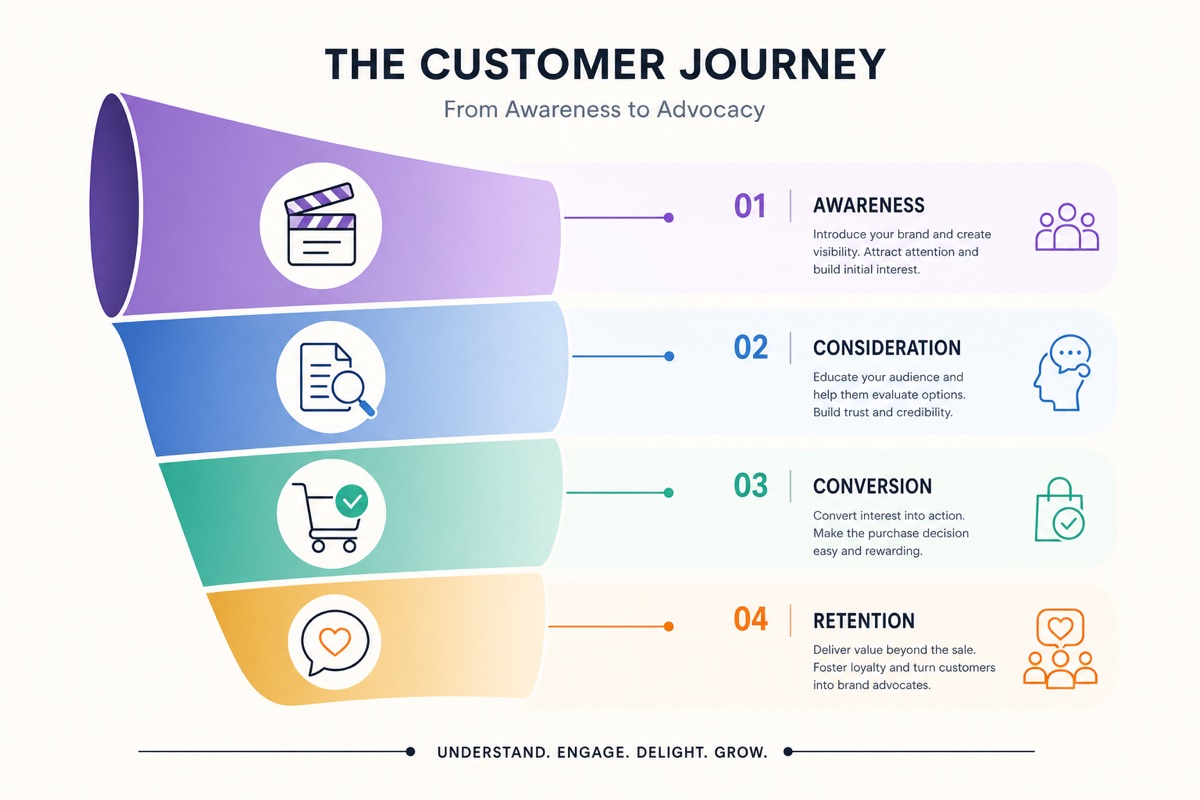
Treating creator output as generic calendar filler causes brands to place conversion-ready testimonials in top-of-funnel placements while asking awareness content to close sales. Specific formats drive specific actions, requiring teams to slot deliverables into their correct funnel stage.
Awareness Unboxing Reels
The unboxing video serves viewers who lack any prior relationship with the product but trust the creator making the introduction.
Because this format relies on the sensory reveal and genuine first reactions, it optimizes for distribution breadth over immediate click-through rates. Teams should extract multiple standalone assets from this single deliverable by pulling short reaction clips and thumbnail stills to deploy as separate awareness ads.
Consideration Creator Reviews
Prospects actively comparing options require specific objection handling, such as whether a tool works as described or what physical trade-offs exist. The creator review transfers the influencer's credibility directly to the product claims.
Marketers must pull specific performance screenshots and before-and-after comparisons from these videos, embedding them directly into downstream email sequences and landing pages.
Conversion Quotes and Lifestyle Photos
A buyer on the edge of a purchase requires validation, and a well-framed creator quote stating a specific model replaced everything else on their desk removes the final layer of abstraction. Lifestyle photography showing the product operating in a real home or active skincare routine makes physical ownership feel tangible.
These specific, high-resolution image files belong embedded in paid social ad sets and bottom-of-funnel email nurture sequences.
Retention Organic Reposts
A casual return mention six months after the initial campaign signals genuine product satisfaction to the existing customer base. Because these follow-up story reposts feed loyalty loops when surfaced in retention channels, capturing these screenshot testimonials provides a constantly refreshing supply of community proof that most brands leave uncollected.
Briefing Creators Like a Production Studio
Most campaign briefs tell the creator exactly what to say while ignoring the technical specifications of what they need to produce. The influencer delivers a polished social export, and the brand discovers two months later that they lack a version suitable for a full-page website header.
A repurposing-first brief dictates the exact dimensions, file types, and usage limits required for downstream marketing campaigns before the camera rolls.
Specifying that the brand needs a vertical cut alongside a landscape crop allows the creator to frame the shot correctly on set, avoiding awkward post-production panning. The brief must also mandate the delivery of raw files or high-resolution images.
Setting a strict floor of 3,000 pixels on the longest side for photography ensures the file holds up under commercial printing or desktop web scaling.
Usage rights language requires explicit boundaries, defining the license term for a minimum of 12 months for active campaigns and in perpetuity for evergreen website assets. Instead of requesting a single video, the document should explicitly mandate one unboxing clip, five isolated product stills, and two tone-specific reaction quotes cleared for external brand use.
Providing quote style guidance that asks how a product fits into a daily routine generates usable marketing copy, whereas prompting them for generic praise yields unusable filler.
- Video aspect ratios explicitly specified with vertical, square, and landscape deliverables required.
- Minimum image resolution stated at 3,000 pixels on the longest side for all stills.
- Usage rights defined with specific placement types and a stated license term.
- Asset variety listed individually across stills, short clips, pull quotes, and raw background footage.
- Quote style guidance included to prevent generic product praise.
The Path Forward for Creator Content
Executing repurposing-first briefs guarantees technical files arrive in usable condition, and maintaining a centralized, rights-tagged infrastructure keeps those digital press assets deployable for years.
Creator content drives consistent purchases because someone upstream specified the exact format requirements and built the storage system to house it.
As creator campaigns scale, brands with organized asset libraries automatically generate secondary marketing campaigns without shooting new material.
Audit the deliverables folder from your last creator partnership to test this internal capacity. Count exactly how many files remain accessible at full resolution, verify the remaining duration on their license agreements, and calculate the actual dollar value left on the table.
By transforming scattered influencer posts into a searchable database of product coverage, marketing teams turn temporary social engagement into permanent sales infrastructure.